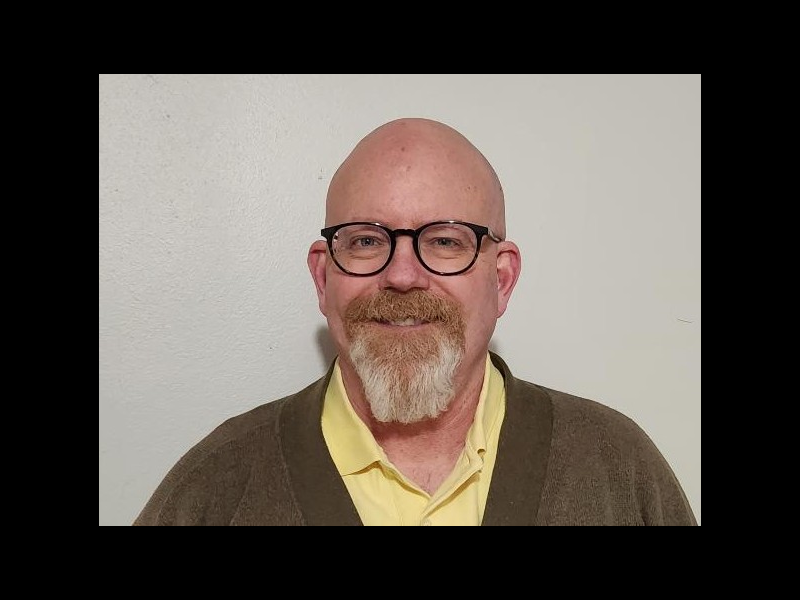
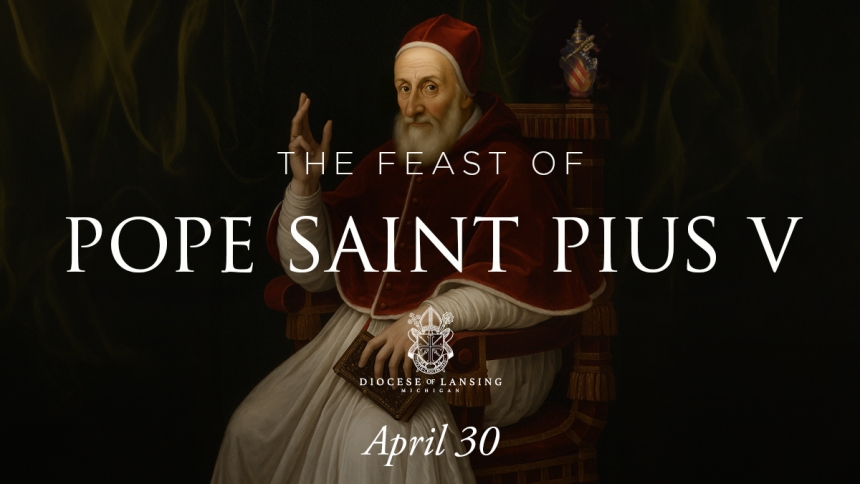
Born Antonio Ghislieri, Pope Saint Pius V was a Dominican friar who became Supreme Pontiff in 1566 during a time of major upheaval in the Church, explains Lansing-based Catholic writer, Brian O'Neel, pictured below, author of various books including 39 Saints You Should Know, Saints Who?, and 150 North American Martyrs You Should Know.
A central figure of the Counter-Reformation, Pope Pius implemented the reforms of the Council of Trent, strengthening clergy discipline, promoting clear teaching, and renewing Catholic life. He is especially known for standardizing the Roman liturgy through the 1570 Missal, which shaped Catholic worship for centuries, and for his personal holiness marked by simplicity, prayer, and care for the poor.
He also helped unite Christian forces against Islamic expansion, supporting the victory at the Battle of Lepanto, which he attributed to the intercession of the Blessed Virgin Mary and commemorated with the Feast of Our Lady of the Rosary (formerly Our Lady of Victory)
He matters to the Church today as a model of faithful reform rooted in tradition: he shows how renewal comes not from abandoning the past but from living it more deeply. His witness to doctrinal clarity, reverent worship, and moral integrity remains relevant in every age.
His legacy of liturgical reverence, strong preaching, and pastoral leadership offers a fitting patron for a local Church seeking to form disciples grounded in truth and holiness.
If you ever make it to Rome, he is buried in the right transept of Santa Maria Maggiore (Saint Mary Major), very near the altar where Saint Ignatius of Loyola celebrated his first Mass.